Meme Coin Trading Rules That Survive Every Cycle
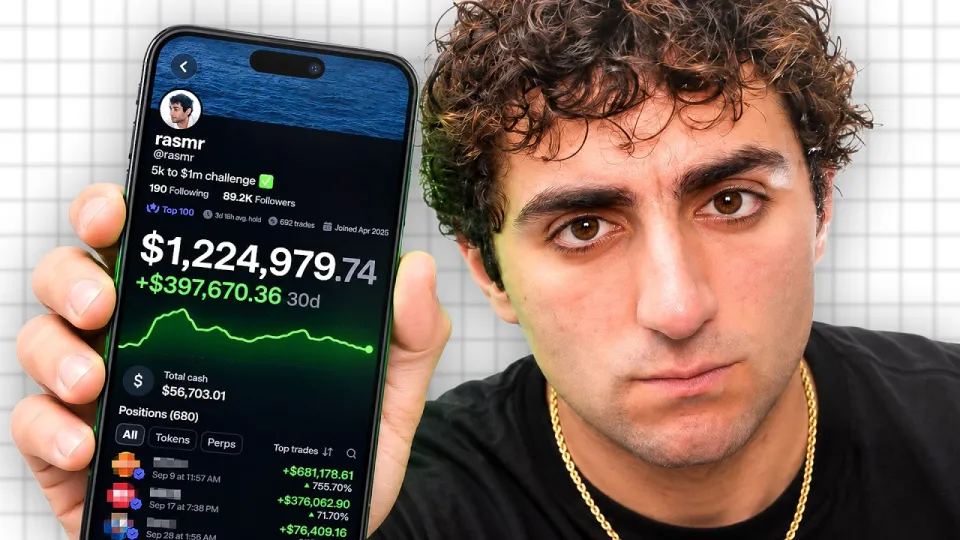
Video: 5 Years of Memecoin Knowledge in 12 Minutes
Want articles like this for your own video to promote it on YouTube and Google? Order them through the Telegram bot @sat_sit_bot. It writes articles around your video, embeds the video and publishes them on popular niche websites (no ads). Try it free: 50 articles on us.
· based on the channel rasmr
A meme coin is a cryptocurrency whose value rests on a community narrative and internet culture rather than on cash flow, revenue, or technology. Trading them profitably is less about predicting the next viral ticker and more about process: knowing who launched the token, where early buyers exit, and how much capital you are willing to lose. The practical side of execution — order flow, early access, and position management — is what platforms built for high-risk trading, such as fomo.family registration, are designed to support.
What actually moves a meme coin price
Meme coin prices move on narrative and liquidity, not fundamentals. A token with no product can run from a few hundred thousand dollars of market cap to nine figures in days if the story lands with the right audience, and collapse just as fast when attention rotates. Three forces do most of the work:
- Narrative — the reason the coin exists right now. A timely cultural reference, a mascot, a running joke inside a trading community, or a tie-in to a live event all give buyers a one-line explanation for why they are bidding.
- Early distribution — who holds supply before the public sees the chart. Coins announced to a private group before launch reach the open market with a head start that later buyers pay for.
- Liquidity depth — how much capital sits in the pool. Thin liquidity produces violent upside and equally violent exits; a modest sell order can wipe out half the chart.
Price per token is noise. A coin trading at fractions of a cent can have a larger market cap than one trading at dollars, so the only comparable number across tokens is fully diluted valuation and circulating market cap.
Market cap levels where early buyers sell
Exit planning starts with market cap, not with a percentage gain. Traders who consistently keep profits map out cap milestones before entering and sell into strength at levels where the earliest holders historically begin distributing. Typical zones worth marking:
- Sub-$1M cap — the launch and early accumulation phase; risk of a rug or a dead chart is highest here.
- $1M–$5M — the first real test; the coin needs sustained new buyers, not just the original group.
- $10M–$50M — the zone where early wallets with large allocations often take first profits, producing sharp pullbacks.
- $100M+ — attention from wider markets; moves become bigger but reversals more brutal, because large holders can exit into thin books.
A useful habit is to write the exit ladder down before buying: a portion sold at the first milestone, another at the second, and a runner left only with house money. That converts a volatile position into a defined plan and removes the decision from the moment of maximum excitement.
Position sizing and profit taking
Risk control decides survival, not entry timing. A trader who is right four times out of ten but sizes positions so that no single loss is catastrophic will outlast one who is right seven times out of ten and bets everything on conviction.
Practical rules that hold up across cycles:
- Cap any single meme coin position at a small fixed share of the portfolio — an amount whose total loss changes nothing about your finances.
- Take partial profits on the way up rather than waiting for a single perfect exit; unrealized gains can disappear in minutes.
- Never add to a losing position hoping the chart recovers; averaging down on a token with no fundamentals is how small losses become total ones.
- Keep a stable base outside meme coins so a bad week does not force you to sell good positions at the worst moment.
Starting small is not a limitation — it is the correct way to learn the mechanics of launches, slippage, and exits without paying tuition at full size.
Emotional traps that erase gains
The most expensive mistakes in meme coin trading are behavioral, not analytical. Three patterns account for most blown accounts:
- Chasing green candles. Buying because a chart is vertical, assuming it continues, and entering at the local top right before early holders distribute.
- Refusing to take a loss. Holding a broken chart and hoping for recovery, which turns a planned small loss into a large one.
- Round-tripping. Watching a position go up 50–100% and giving it all back because selling felt like leaving money on the table.
A position sitting at a large unrealized profit is not profit. It becomes real only when sold, and the discipline of selling into strength is what separates traders who compound from traders who keep reliving the same cycle.
How to judge rug risk before buying
Rug risk is mostly a question of structure, not vibes. Before entering, check who released the token and whether the launch setup gives insiders an unfair advantage:
- Team and history — an anonymous deployer with no track record is a warning; a launch tied to a known community at least gives you something to evaluate.
- Supply concentration — if a handful of wallets hold a large share, those wallets can dump on you at any moment. Holder distribution matters more than holder count.
- Liquidity locks and contract permissions — unlocked liquidity can be pulled; mint or freeze authorities left active allow supply to be changed after launch.
- Launch access — coins announced to a closed group before public trading mean you are buying from people who already know the plan. Assume the earliest buyers are ahead of you and size accordingly.
None of these checks makes a meme coin safe. They only tell you how much of the risk is structural and whether the potential payoff justifies it.
Common questions from newer traders
Newer traders tend to ask the same things, and the answers are consistent. On timing: there is no reliable signal that a coin will keep running, so entries should be small and exits pre-planned rather than improvised. On narrative: a token built on a live cultural moment can attract real flow, but the moment passes, and coins tied to events usually fade once the event is over. On losses: a first month of trading is typically where emotional decisions cost the most, which is why fixed position sizes matter more early than any strategy. On profit: taking money off the table at planned levels is not pessimism, it is the only way a good trade becomes a good result.
Useful links
Final takeaway
Meme coin trading rewards process over prediction: know the narrative, check who launched the token, size positions so no single loss hurts, and sell at market cap levels decided in advance. The recurring failure across every cycle is emotional — chasing, hoping, and round-tripping gains that were already real. Treat every entry as a calculated bet with a defined exit, and treat unrealized profit as something you have not earned yet. The breakdown of these mechanics comes from the channel rasmr, whose condensed walkthrough of meme coin trading experience is a useful reference for anyone building their own rules. If you want to put the process into practice, start with a fomo.family account and keep position sizes small while you learn.
Key takeaways
- Meme coin prices are driven by narrative and liquidity flow, not by fundamentals — the token's story and who is early matter more than the chart pattern.
- Market cap, not price per token, is the reference point: exits are planned in advance at specific cap levels where early buyers historically start selling.
- Position sizing and pre-set take-profit levels protect capital better than any entry signal; unrealized profit is not profit until it is sold.
- Emotions are the single biggest loss driver — chasing green candles, hoping a losing chart recovers, and round-tripping gains are the three most common failures.
- Rug risk comes down to who released the token, how concentrated the supply is, and whether liquidity is locked — not to how good the meme looks.
Questions & answers
How do I know when to sell a meme coin?
Plan exits by market cap before you buy, not by how the chart feels. Early holders typically start distributing around the $10M–$50M range, so selling portions at pre-set milestones locks in gains instead of round-tripping them.
What makes a meme coin likely to rug?
Concentrated supply, unlocked liquidity, an anonymous deployer with no track record, and launches announced to closed groups before public trading are the main structural red flags. These do not guarantee a rug, but they raise the odds that insiders exit before you can.
Can I trade meme coins with a small starting capital?
Yes, and starting small is the right approach. Fixed, small position sizes let you learn launches, slippage, and exits without risking money that matters, and they keep a single bad trade from ending your run.
Why do traders lose money even when they pick winning coins?
Because of behavior rather than selection: chasing vertical charts, refusing to cut losses, and giving back 50–100% gains by not selling. Unrealized profit is not real until you take it, so pre-planned profit taking matters more than picking the next winner.
Source: 5 Years of Memecoin Knowledge in 12 Minutes · Markdown version