Trading is Simple and Effective When You Follow a Clear System for Consistent Results
· based on the channel Tori Trades
Trading can be simple and effective when you use a clear, well-defined system that anyone can follow. You don't need to be a finance expert or have advanced mathematical skills to succeed. The key is to apply consistent rules, primarily based on trendlines and proper risk management, to identify trade entries and exits in futures markets. For those interested in learning this approach, joining the Tori Trades waitlist for exclusive trading insights and strategies is a valuable step.
Why Trading Is Simpler Than You Think
Many believe trading requires complex formulas or insider knowledge, but it really boils down to understanding price movements and market behavior. The core of trading involves:
- Reading charts and recognizing trends using tools like trendlines
- Timing entries and exits based on price action
- Managing risk with stop losses to protect capital
This simplicity is emphasized by traders like Tori Trades, who demonstrate how to build a trading system from scratch that anyone can learn and test using platforms like TradingView.
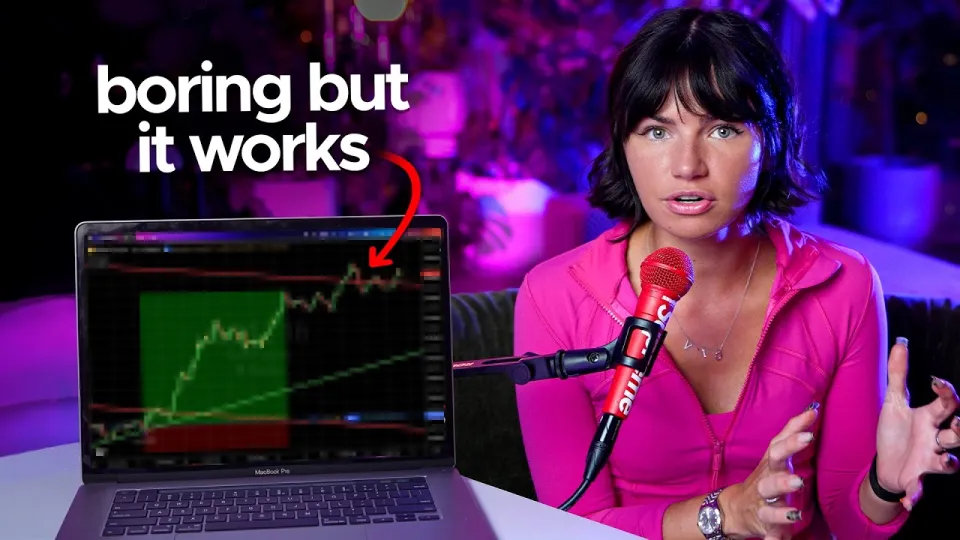
Video: Unfortunately, trading really is this simple
Building a Trendline-Based Trading System
Trendlines are straight lines drawn on charts to connect price highs or lows, indicating the direction of the market trend. They help traders visually identify:
- Uptrends: series of higher lows connected by an ascending trendline
- Downtrends: series of lower highs connected by a descending trendline
Steps to create a trendline system:
- Identify the overall market direction on your preferred timeframe.
- Draw trendlines connecting at least two significant highs or lows.
- Use the trendline as a guide for trade entry points—buy near an ascending trendline or sell near a descending one.
- Confirm signals with volume or price action patterns.
This method works well with futures markets, as volatility and liquidity often respect these technical levels.
Managing Risk and Setting Stops
Effective trading is not just about making profits but protecting yourself from losses. Placing stop-loss orders below or above your trendline entry point is crucial. While the exact distance varies by market volatility, typical guidelines include:
- For futures, place stops just beyond recent swing highs or lows
- Adjust stop distance to avoid being stopped out by normal price fluctuations
- Monitor trades actively, especially in volatile markets like gold where price can spike rapidly
Proper risk management ensures that even when trades go against you, losses remain manageable and your trading capital is preserved.
Common Questions and Clarifications from Traders
Many traders ask about nuances in trendline trading:
- Where exactly to place stops relative to the trendline?
- How to handle rapid volatility spikes, especially in commodities like gold?
- Differences between futures trading and stock trading concerning algorithmic market behavior
Understanding these helps refine your strategy and avoid pitfalls. For example, quick market moves require active trade management and sometimes manual exits to protect gains.
Tools for Tracking and Testing Trades
Using reliable tools is critical for developing and improving your trading system:
- TradingView offers comprehensive charting and backtesting capabilities.
- TradeZella is a platform recommended for tracking trades with features designed for futures and day traders.
- Brokers like TradeStation provide access to futures markets with competitive commissions and robust order execution.
Testing your system on historical data and keeping detailed trade records enables continuous improvement and confidence.
Typical Challenges in Trading and How to Overcome Them
Trading is simple but not always easy. Challenges include:
- Emotional discipline to follow your system strictly
- Adapting to market changes and volatility
- Differentiating between trend continuation and reversals (the "bend at the end")
Strategies to overcome these challenges involve education, practice, and community support such as that offered by the Tori Trades channel.
Useful Links
- Join the exclusive waitlist for trading strategies and bonuses: https://go.toritradez.com/waitlist-1009
- Track your trades like a pro with TradeZella: https://www.tradezella.com/?via=victoria
- Start trading futures with TradeStation: https://www.tradestation.com/promo/toritrades/
- Follow Tori Trades on Instagram: https://www.instagram.com/tori.trades.futures/
Final Thoughts
Trading does not have to be complicated or intimidating. By following a straightforward system based on trendlines and disciplined risk management, anyone can learn to trade futures successfully. The method shown by Tori Trades highlights the accessibility of trading with the right approach and tools. For those ready to take their trading to the next level, joining the Tori Trades waitlist is a great way to get started with proven strategies and community support.
Key takeaways
- Trading does not require an economics degree or advanced math skills
- Trendline strategy is a core tool for identifying entry and exit points
- Managing risk with stop losses is essential for futures trading
- TradingView is recommended for testing and tracking trades
- Real traders share strategies for day trading and swing trading futures
Questions & answers
Do I need advanced math or an economics degree to trade futures successfully?
No, successful futures trading does not require advanced math or an economics degree. It relies more on understanding price action, trendlines, and proper risk management.
How do I decide where to place stop losses when trading with trendlines?
Stops should be placed just beyond recent swing highs or lows near your trendline entry to avoid normal price fluctuations triggering the stop prematurely. The exact distance depends on market volatility.
What makes trading futures different from trading stocks regarding market behavior?
Futures markets tend to be more liquid and can be more volatile than stocks. Algorithmic trading behavior differs, so managing trades actively and using tools suited for futures is important to avoid adverse moves.
Can the trendline strategy handle sudden market volatility spikes like in gold trading?
While trendlines help identify key levels, sudden volatility spikes require active trade management and sometimes manual exits. Being prepared for rapid moves and adjusting stops accordingly is essential.
Source: Unfortunately, trading really is this simple · Markdown version